ArrowTV: Japanese tokusatsu heroes and giant monsters in English, from Ultraman, Kamen Rider and Super Sentai to Space Sheriff Gavan, Godzilla, Gamera and Mothra, and where to watch them
Trending now
View all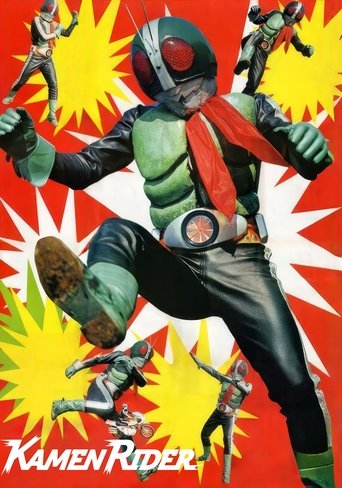 TV
TV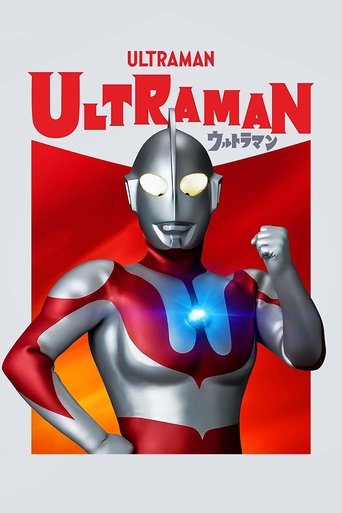 TV
TV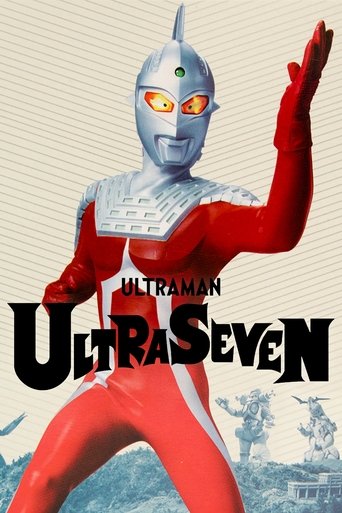 TV
TV TV
TV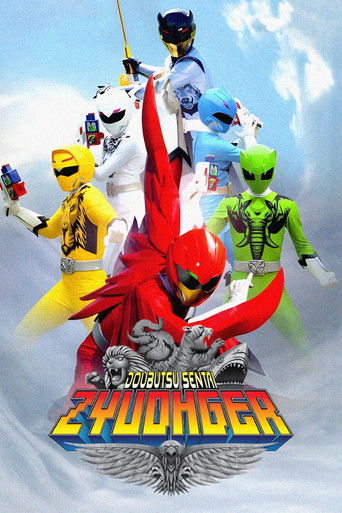 TV
TV TV
TV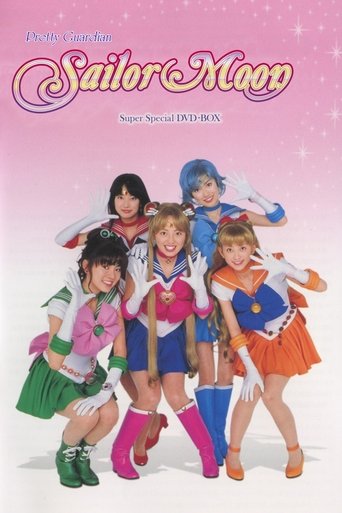 TV
TV TV
TV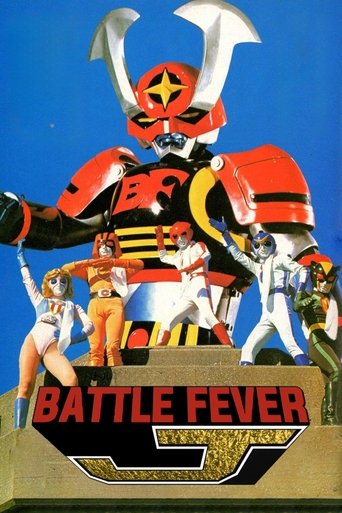 TV
TV TV
TV TV
TV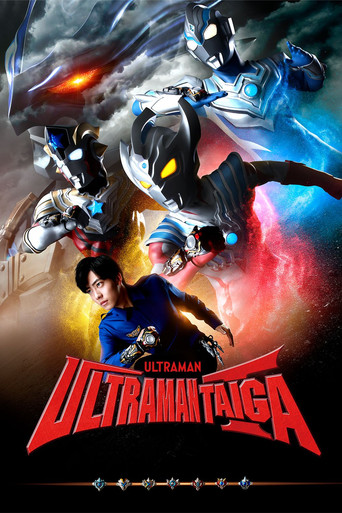 TV
TVUltraman
View all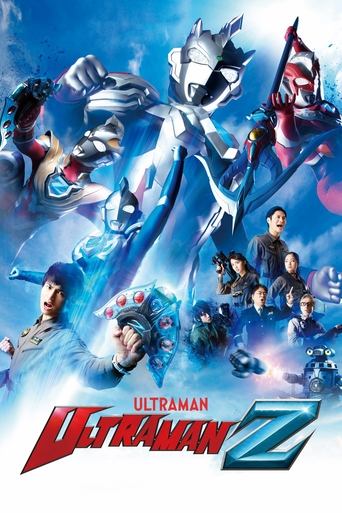 TV
TV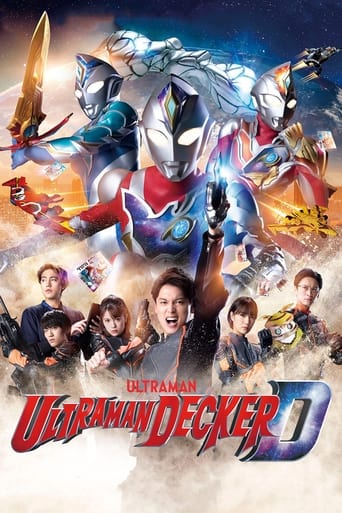 TV
TV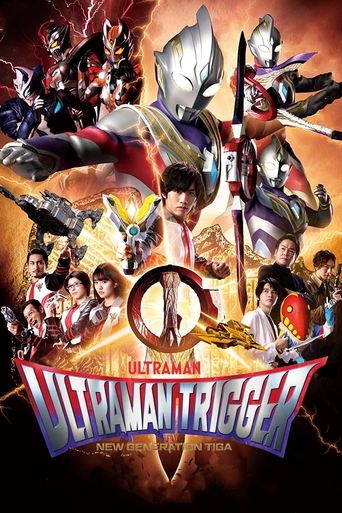 TV
TV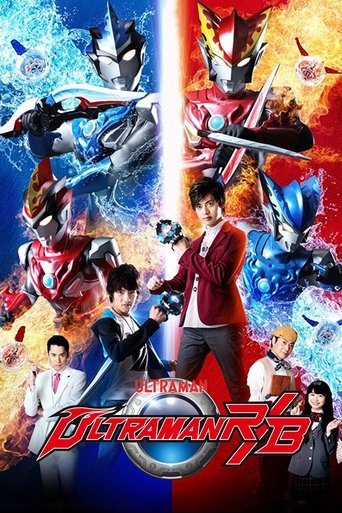 TV
TV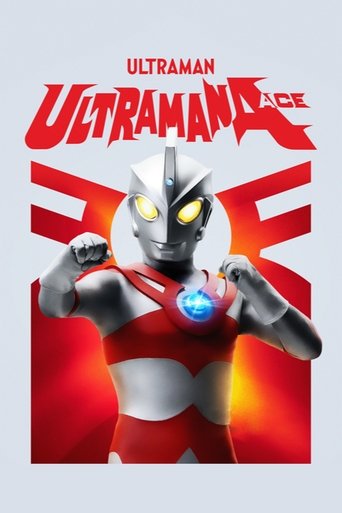 TV
TV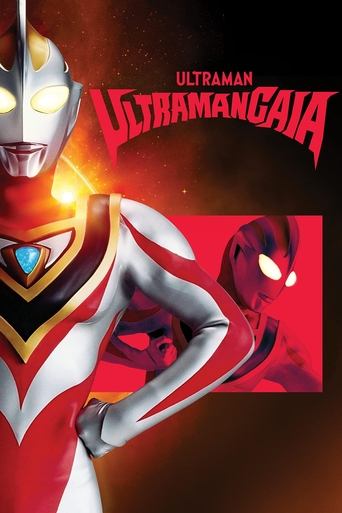 TV
TV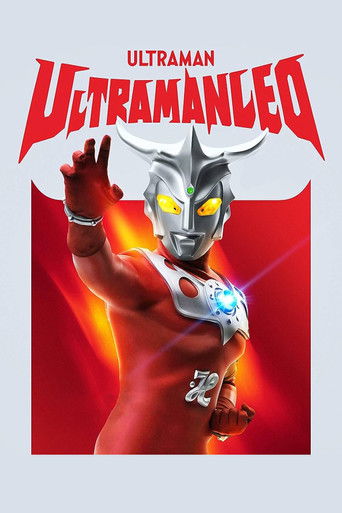 TV
TV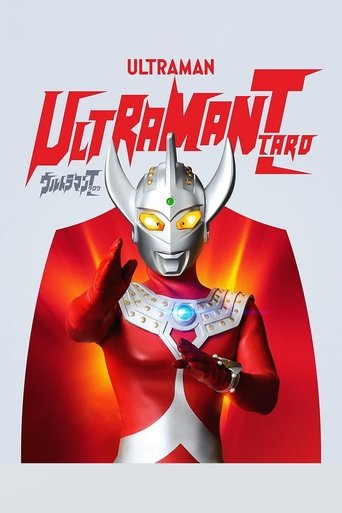 TV
TV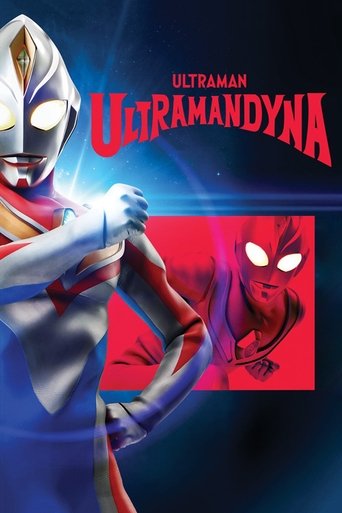 TV
TVKamen Rider
View all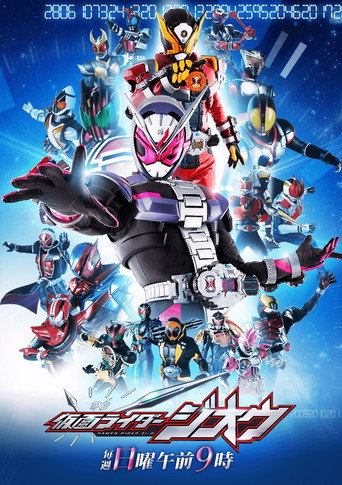 TV
TV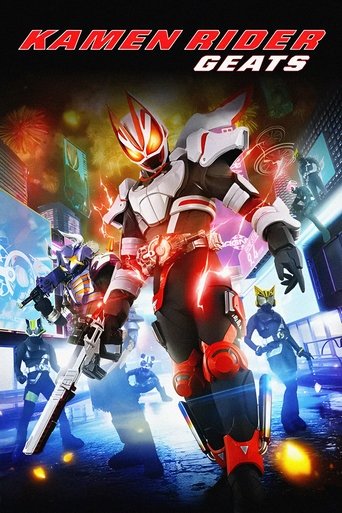 TV
TV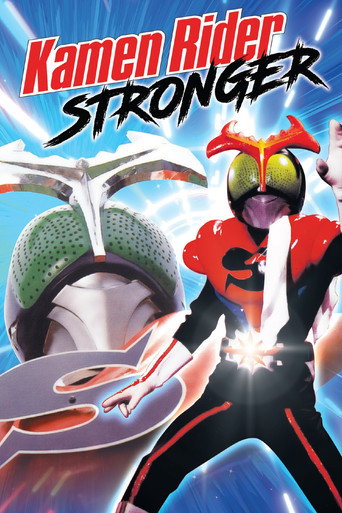 TV
TV TV
TV TV
TV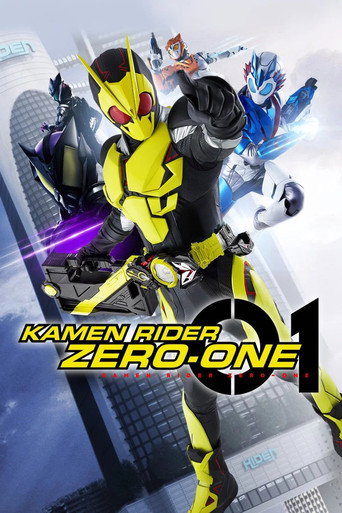 TV
TV TV
TV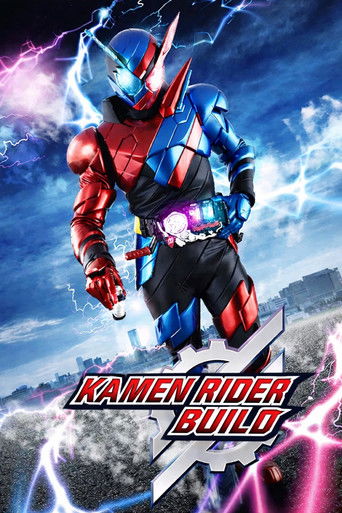 TV
TV TV
TV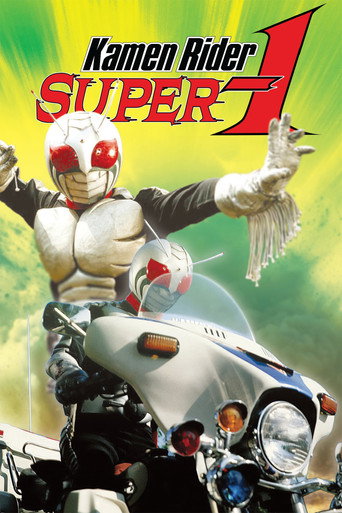 TV
TVSuper Sentai
View all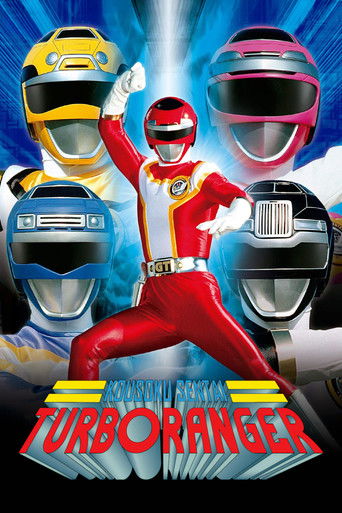 TV
TV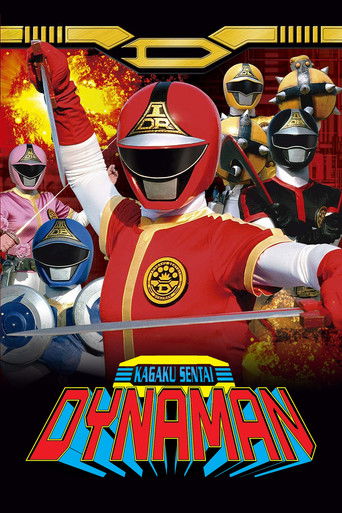 TV
TV TV
TV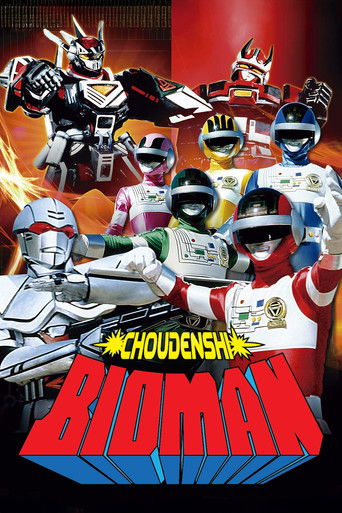 TV
TV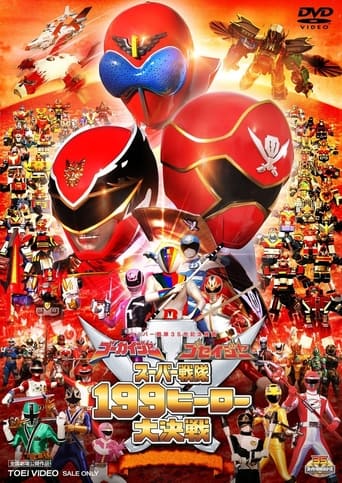 Movie
Movie TV
TV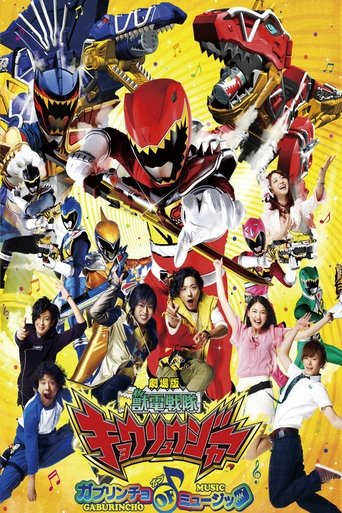 Movie
Movie TV
TVGiant monsters
View all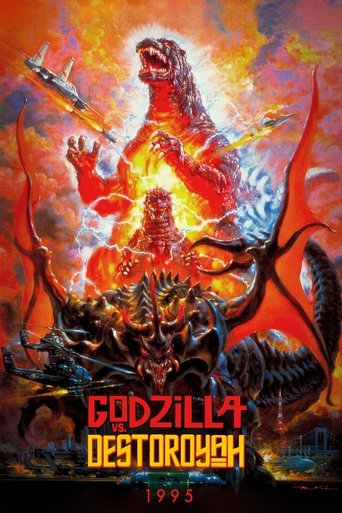 Movie
Movie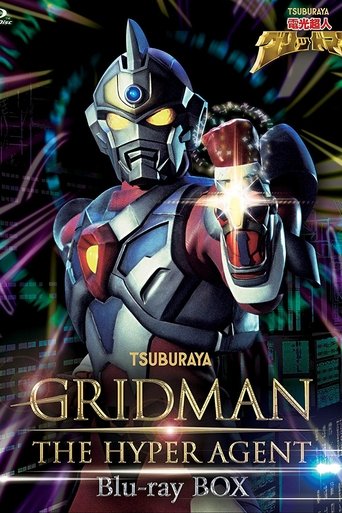 TV
TV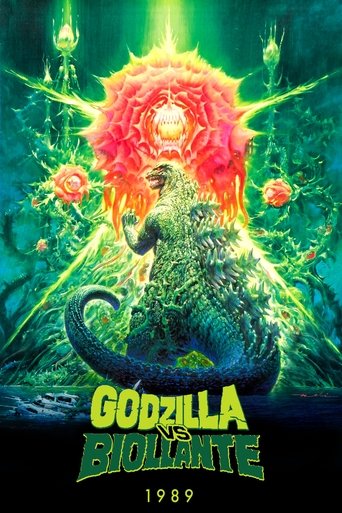 Movie
Movie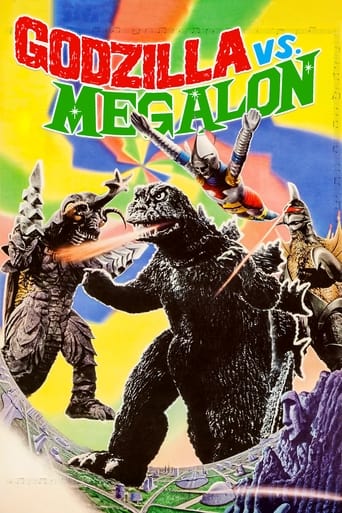 Movie
Movie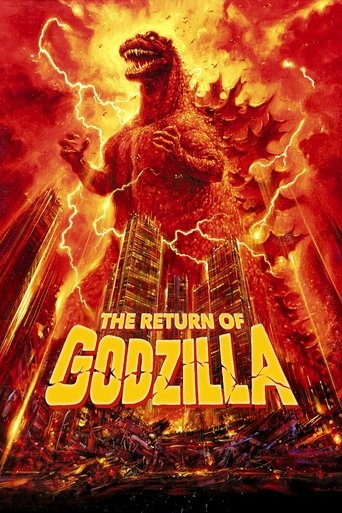 Movie
Movie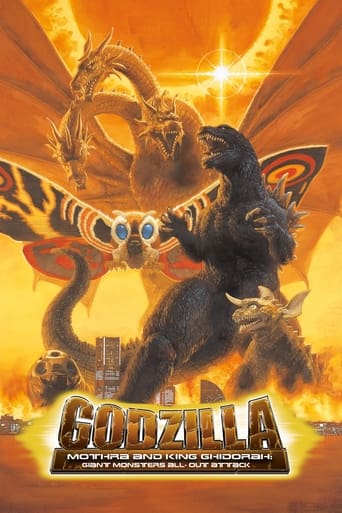 Movie
Movie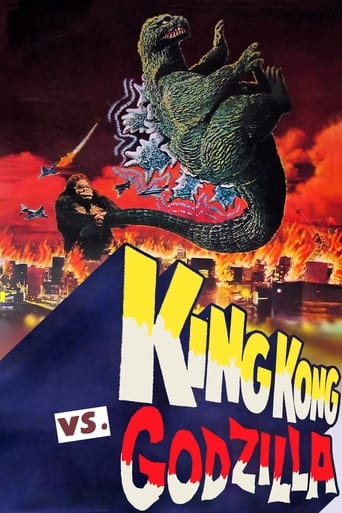 Movie
Movie TV
TV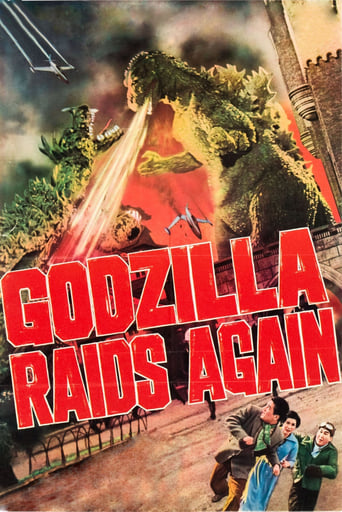 Movie
Movie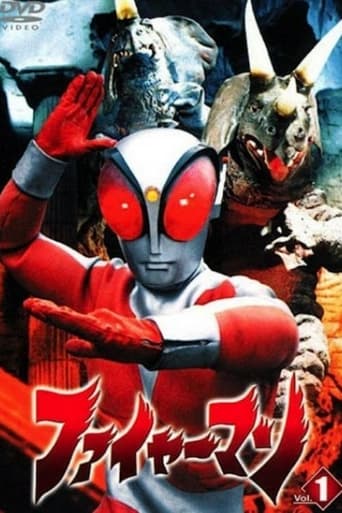 TV
TVMetal Heroes
View all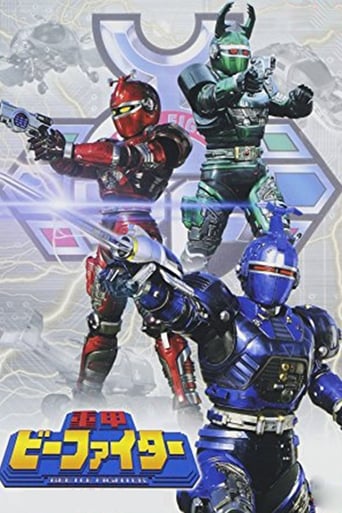 TV
TV TV
TV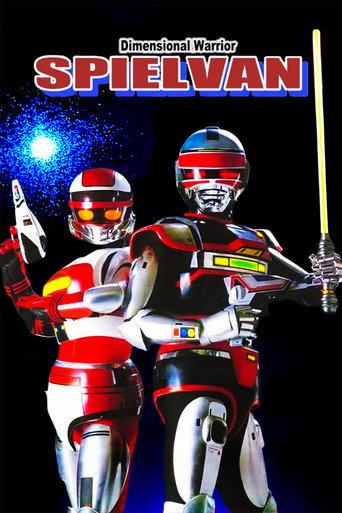 TV
TV TV
TV TV
TV TV
TV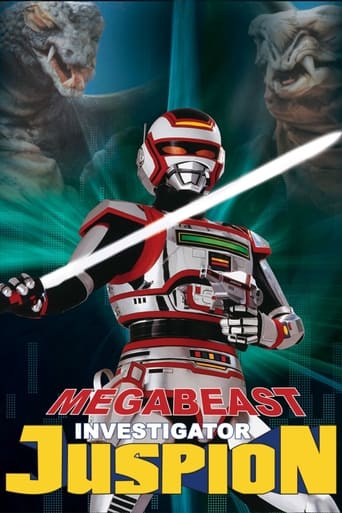 TV
TV TV
TV TV
TVNew releases
View all TV
TV Movie
Movie Movie
Movie Movie
Movie Movie
Movie Movie
Movie Movie
Movie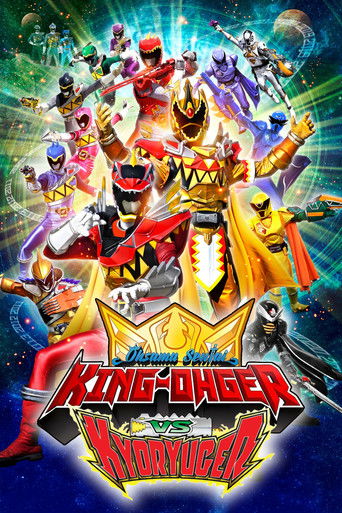 Movie
Movie Movie
Movie Movie
MovieBrowse
- TV shows 101
- Movies 198
- Ultraman 69
- Kamen Rider 78
- Super Sentai 62
- Metal Heroes 32
- Kaiju 53
- More henshin heroes 16
- Before 1980 68
- The 1980s 25
- The 1990s 31
- The 2000s 46
- The 2010s 77
- 2020 onward 52
- Top rated 67
Guides
Tokusatsu heroes and giant monsters: the ArrowTV guide
ArrowTV: Japanese tokusatsu heroes and giant monsters in English, from Ultraman, Kamen Rider and Super Sentai to Space Sheriff Gavan, Godzilla, Gamera and Mothra
Few kinds of television and cinema are as joyful as Japanese tokusatsu. The word means special effects filming, and it covers a whole universe of live-action heroes and monsters: silver giants who fly in from the stars, masked riders on roaring motorcycles, teams of five heroes in bright colours with a giant robot, space sheriffs in shining armour, and the great monsters of Toho and Daiei, from Godzilla and Mothra to the flying turtle Gamera. Since the fifties, these films and series have thrilled children in Japan and around the world, from the Philippines and Indonesia to Brazil, France and the United States, and many of the people who make films today grew up with them. ArrowTV gathers 299 tokusatsu films and series, made between 1955 and 2026, 198 films and 101 series, each with its own page, its story in English, its year, running time or episode list, and a Watch now button that leads to the official services carrying it in your country.
The catalogue has been chosen by hand. It brings together the great hero families, Ultraman, Kamen Rider, Super Sentai and the Metal Heroes, the giant monsters, and a shelf of other transforming heroes, and it focuses on the hero adventures that families enjoy together, leaving the darker horror franchises to other guides. The rows on the home page are arranged so that a new viewer and a lifelong fan can each find something to watch in a few seconds.
This guide is the long version of the home page. It walks through the hero families, the monsters, the great creators, the series worth watching from the first episode and the simple steps from a title page to the official service. If you are in a hurry, the short help pages are linked from every section, and the How to watch page explains everything in four short steps.
How ArrowTV looks
ArrowTV keeps the sleek, dark look of the site it is named after. The page is a deep, near-black violet, and the header holds the ArrowTV logo with its cyan arrow at the left, a rounded dark pill bar in the middle with the main links, the current page shown as a bright white pill, and a search field and a bookmark icon at the right. On a phone, the links fold into a menu, and a tab bar along the bottom of the screen gives quick access to the home page, the search and the menu.
The home page opens with a wide hero picture from a featured title, with a small cyan tag, a large bold title, the opening lines of the story and a white button, while three smaller featured pictures wait at the lower right. Below, each hero family has its own row of rounded posters with a small badge for films and series, the year and the rating, and a View all link to the full shelf. The footer has a thin grey rule, the logo in the centre and a short note.
The colours, the pill navigation, the tab bar and the footer were measured from an archived copy of the original home page, so the site feels familiar to anyone who knew it.
Using the site
There are three easy ways into the catalogue. The first is the search field in the header: type a few letters of a hero or monster, such as Ultraseven, Gavan, Den-O or Gamera, and matching titles appear as you type. The second is the shelves: Ultraman, Kamen Rider, Super Sentai, Metal Heroes, Kaiju and More henshin heroes, together with the Movies and TV shows shelves, six decade shelves and a Top rated shelf. The third is the A to Z list, which holds every title in alphabetical order. The Finding a title page collects some handy search tips.
Every title page gives the story in English, the year, the running time or the full episode list, the director, the main cast, the studio and the original Japanese title. Below the story there is a country menu and a Watch now button. Choose your country, press the button, and JustWatch opens with the subscription, rental, purchase and free services that carry the title where you live. The studios behind Ultraman and Kamen Rider run their own official channels and services in many countries, and many classic series are available with English subtitles.
The bookmark icon keeps a personal list of titles in your browser. The My List page explains how to export the list to a small file and take it to another device.
What is tokusatsu?
Tokusatsu began in the Japanese film studios of the fifties, where the special effects master Eiji Tsuburaya built miniature cities, model ships and flying machines, and actors in rubber suits brought giant monsters to life. When television arrived, the same skills created the first hero series, and from the sixties onward the genre grew into several great families that are still making new adventures every year. The Tokusatsu words help page explains a few useful terms.
The magic of tokusatsu lies in its craft. The heroes wear real suits and helmets, the monsters are performed by actors in costumes, the cities are hand-built models that crumble beautifully, and the fights are choreographed by teams of stunt performers. Even in the age of computer graphics, the genre keeps this handmade spirit, and every new series mixes modern effects with the suits, models and explosions that fans love. The stories are simple at heart: heroes who protect people, keep their promises, help their friends and keep going against all odds, which is why parents are happy to share them with their children.
Ultraman
Ultraman is the most famous giant hero in the world, and the Ultraman shelf holds 69 films and series. The Ultraman help page picks the best places to begin.
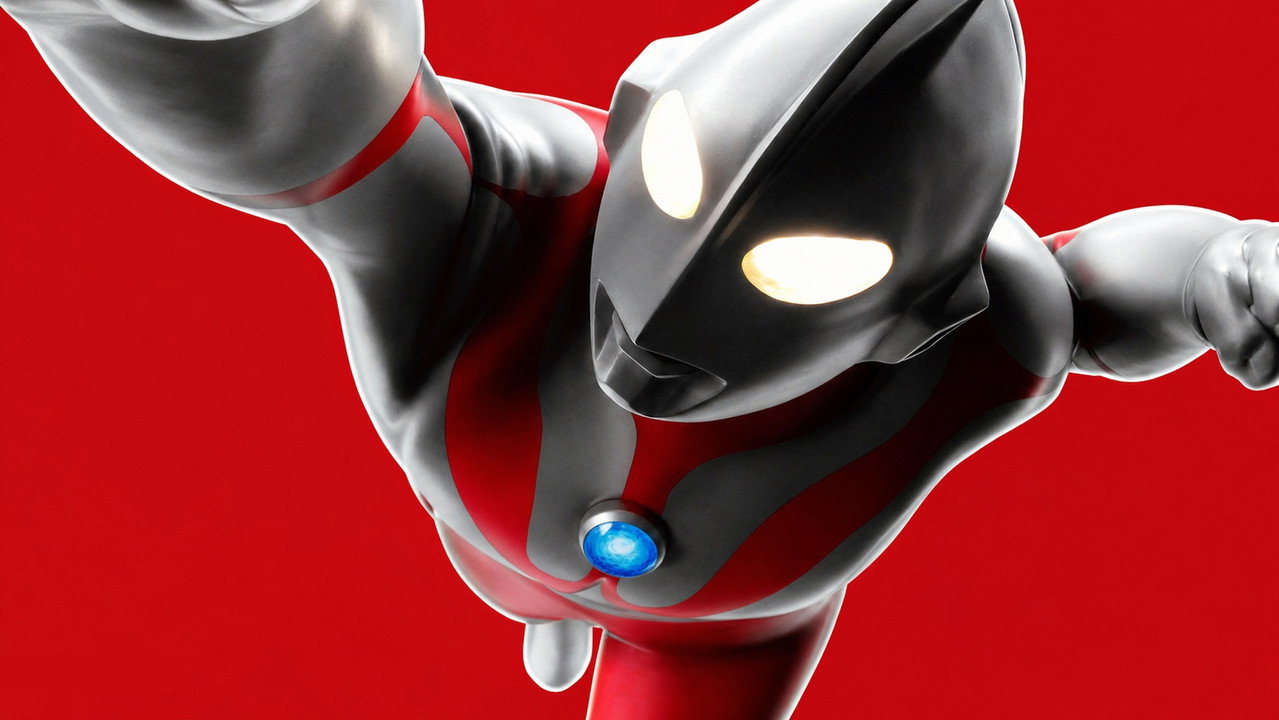
The story began in 1966 with Ultra Q, a mystery series full of strange monsters, made by Eiji Tsuburaya's studio. Later the same year came Ultraman, in which a member of the Science Patrol merges with a silver and red giant from the distant Land of Light. Each time a monster attacks, he raises a small capsule, transforms into Ultraman and fights the creature in the miniature streets of Tokyo, with only three minutes of energy before the light on his chest begins to flash. The series was an enormous success, and its monsters, from the gentle Pigmon to the mighty Zetton, became as famous as the hero himself.
Ultraseven, from 1967, is often called the finest of the classic series, with thoughtful stories about aliens, friendship and the meaning of peace. Return of Ultraman, Ultraman Ace, Ultraman Taro and Ultraman Leo followed in the seventies, each adding new members to the family of Ultra Brothers, and Ultraman 80 brought the hero into a school as a science teacher. The films Ultraman: Monster Movie Feature and Ultraman Zoffy: Ultra Warriors vs. the Giant Monster Army gather the best battles of the early years.
In 1996, Ultraman Tiga reinvented the hero for a new generation, with a story about an ancient giant of light who returns to protect the Earth, and it was followed by Ultraman Dyna and Ultraman Gaia, a trilogy that many fans consider the greatest of all. Ultraman Cosmos introduced a gentle hero who prefers to calm monsters rather than fight them, Ultraman Nexus and the film Ultraman: The Next told a more grown-up story, and Ultraman Mebius celebrated forty years of the series by bringing back the Ultra Brothers.
The new generation began with Ultraman Ginga in 2013, and every year since has brought a new hero: Ultraman X, Ultraman Orb: The Origin Saga, Ultraman Geed, Ultraman R/B, Ultraman Taiga, Ultraman Z, Ultraman Trigger: New Generation Tiga, Ultraman Decker and Ultraman Blazar. Ultraman Z, with its cheerful young hero and his enthusiastic giant partner, is one of the most loved modern series, and Ultraman New Generation Stars is a lovely introduction to the whole modern family.
Kamen Rider
Kamen Rider is the great motorcycle hero of Japanese television, and the Kamen Rider shelf holds 78 films and series. The Kamen Rider help page introduces the riders.
Kamen Rider, created by the manga artist Shotaro Ishinomori, began in 1971. Its hero, Takeshi Hongo, is a young scientist and motorcyclist captured by the evil organisation Shocker and rebuilt as a cyborg with the powers of a grasshopper. Before his mind can be changed, he escapes and turns his powers against Shocker, riding his motorcycle and transforming with a dramatic pose and the famous cry of henshin. The series became a national craze, and children all over Japan practised the transformation pose in the playground.
The Showa riders that followed, from Kamen Rider X and Kamen Rider Stronger to Kamen Rider Super-1 and Kamen Rider Black, each brought a new look and new powers. In 2000, the Heisei era began a new tradition, with a new rider every year and a new idea behind each one. Kamen Rider Den-O The Movie: I'm Born! follows a gentle, unlucky young man who rides a time-travelling train with a team of mischievous spirits, and the Den-O films remain some of the funniest in the series. Kamen Rider W Forever: A to Z/The Gaia Memories of Fate follows two detectives who share one hero body, and Kamen Rider Fourze The Movie: It’s Space Time, Everybody! takes a cheerful high-school hero into space.
The later riders are just as inventive. Kamen Rider Ex-Aid follows a young doctor who fights computer viruses with the powers of video games, Kamen Rider Build follows a brilliant physicist who has lost his memory, and Kamen Rider Zi-O follows a boy who dreams of becoming a kind king and meets the riders of every past series. The Reiwa era began with Kamen Rider Zero-One, about a young comedian who becomes president of an artificial intelligence company, and continued with Kamen Rider Geats, a story about a game in which the riders compete to make their wishes come true.
Super Sentai
Super Sentai is the series of colourful hero teams, and the Super Sentai shelf holds 62 films and series. The Super Sentai help page picks the highlights.
The idea is simple and irresistible. Five heroes, each in a different colour, transform into matching suits, fight a villainous army with martial arts and gadgets, and finally combine their vehicles into a giant robot to fight a monster grown to enormous size. The series began in 1975 and added its first giant robot in Battle Fever J, in 1979. From then on, every year has brought a new team with a new theme: science in Kagaku Sentai Dynaman, bio-technology in Choudenshi Bioman, cars in Gekisou Sentai Carranger vs Ohranger, ninjas in Ninpuu Sentai Hurricaneger Shushuuto: The Movie, dinosaurs in Bakuryuu Sentai Abaranger vs. Hurricaneger and space pirates in the Gokaiger films.
Fans around the world know Super Sentai through Power Rangers, the American series that adapted its action scenes for English-speaking audiences in the nineties, but the Japanese originals have their own charm, humour and heart. Doubutsu Sentai Zyuohger fights with the power of animals, Kikai Sentai Zenkaiger The Movie: Red Battle! All Sentai Rally!! celebrates the forty-fifth team, and Avataro Sentai Donbrothers The Movie: New First Love Hero brings one of the strangest and funniest teams of all to the cinema. The great anniversary film Gokaiger Goseiger Super Sentai 199 Hero Great Battle gathers almost every hero in the history of the series in one enormous battle.
The team-up films are a special tradition. Each spring, the newest team meets the team of the year before in a crossover film, and ArrowTV holds many of them, from Seijuu Sentai Gingaman vs Megaranger and Mirai Sentai Timeranger vs GoGoFive to Zyuden Sentai Kyoryuger vs. Go-Busters: The Great Dinosaur War. The reunion films, such as Tokusou Sentai Dekaranger: 10 Years After and Engine Sentai Go-Onger: 10 Years Grand Prix, bring the original casts back together years later.
The Metal Heroes
Between 1982 and 1999, Toei made a third great family of heroes, the Metal Heroes, known for their gleaming armour. The Metal Heroes shelf holds 32 titles, and the Metal Heroes help page introduces them.
Space Sheriff Gavan, from 1982, began the series with a hero who protects the Earth for the Galactic Union Police, transforming into shining silver armour in a fraction of a second. It was followed by Space Sheriff Sharivan and Space Sheriff Shaider, and the three Space Sheriffs returned in the films Space Cop Gavan The Movie and Space Squad: Space Sheriff Gavan VS Tokusou Sentai Dekaranger.
Megabeast Investigator Juspion became a phenomenon in Brazil, where it is still remembered with great affection, and Dimensional Warrior Spielvan and Super Android Metalder: The Movie continued the line. At the end of the eighties, the series turned to heroes of the law and rescue: Mobile Cop Jiban, a robot police officer; Special Rescue Police Winspector, Super Rescue Solbrain and Special Rescue Exceedraft, teams that save people from fires, floods and accidents; and Blue SWAT. Juukou B-Fighter, with its insect-themed heroes, was adapted in America as Big Bad Beetleborgs.
Kaiju: the giant monsters
The giant monsters, or kaiju, are where tokusatsu began, and the Kaiju shelf holds 53 films. The Kaiju help page picks the classics.
Toho's Godzilla first appeared in 1954, and ArrowTV begins with the second film, Godzilla Raids Again, from 1955, in which Godzilla fights the spiky Anguirus in Osaka. The monsters soon multiplied: Rodan, the giant flying reptile, and Mothra, the gentle moth goddess with her two tiny singing fairies, both appeared in Toho's beautiful colour films. King Kong vs. Godzilla became one of the most popular films of its decade, Mothra vs. Godzilla is often called the finest of the early films, and Ghidorah, the Three-Headed Monster introduced the golden three-headed dragon who would become Godzilla's greatest enemy.
In the late sixties and seventies, the films turned towards children, and Godzilla became a hero who protects the Earth. Son of Godzilla introduces Godzilla's little son, All Monsters Attack tells the story of a lonely schoolboy who dreams of visiting Monster Island, Godzilla vs. Hedorah pits Godzilla against a monster made of pollution, and Godzilla vs. Megalon teams him with the cheerful robot hero Jet Jaguar. Godzilla vs. Mechagodzilla and Terror of Mechagodzilla bring the famous robot double to the screen.
The later Godzilla films are grand spectacles. The Return of Godzilla relaunched the series in 1984, Godzilla vs. Biollante introduced a monster grown from a rose, Godzilla vs. Destoroyah gave the Heisei series a powerful ending, and Godzilla, Mothra and King Ghidorah: Giant Monsters All-Out Attack, by Shusuke Kaneko, imagined the monsters as guardian spirits of Japan.
Gamera and the Daiei monsters
Toho's great rival was the Daiei studio, whose giant flying turtle Gamera first appeared in Gamera, the Giant Monster in 1965. Gamera can withdraw into his shell and fly through the sky like a spinning flying saucer, breathing fire, and from the second film onward he became the special friend of children. Gamera vs. Barugon, Gamera vs. Gyaos, Gamera vs. Viras, Gamera vs. Guiron, Gamera vs. Jiger and Gamera vs. Zigra are bright, inventive adventures in which brave children help Gamera against monsters from space and from the depths of the sea, and the cheerful Gamera song became a favourite of Japanese children.
In 1995, the director Shusuke Kaneko relaunched the series with Gamera: The Guardian of the Universe, a thrilling film in which Gamera is revealed as an ancient guardian created to protect the Earth, followed by Gamera 2: Advent of Legion. Gamera the Brave, from 2006, is a gentle family film in which a boy finds a small turtle egg and raises the young Gamera as his pet, until the little turtle grows and must protect the town.
Daiei also made the Daimajin films, in which a great stone god awakens to protect villagers from cruel lords, and Return of Giant Majin, set by a beautiful lake. Other studios and producers made their own monsters, from Varan and Gappa, the Triphibian Monster, in which two giant parents search for their stolen baby, to The X from Outer Space and Legend of Dinosaurs and Monster Birds.
Mothra
Of all the giant monsters, Mothra is the gentlest, and she has her own help page, Mothra. In Mothra, from 1961, explorers visit Infant Island and meet two tiny women only a few inches tall, who are taken to Tokyo by a greedy showman. Their song calls Mothra, a giant moth goddess, who crosses the ocean as an enormous caterpillar to rescue them, spins a great cocoon around Tokyo Tower and emerges as a magnificent winged queen.
Mothra returned to help and fight beside Godzilla in Mothra vs. Godzilla and Ghidorah, the Three-Headed Monster, and in the nineties she starred in her own trilogy for children: Rebirth of Mothra, Rebirth of Mothra II and Rebirth of Mothra III. In these colourful adventures, a young Mothra and her tiny fairy guardians protect children, forests and the Earth itself from ancient monsters, and the final film even sends Mothra back in time to the age of the dinosaurs.
Shotaro Ishinomori and Eiji Tsuburaya
Two creators shaped tokusatsu more than any others. Eiji Tsuburaya was the special effects master behind the early Godzilla films and the founder of the studio that created Ultra Q and Ultraman. His miniature cities, model planes and suit monsters set the style of the whole genre, and his studio still makes new Ultraman series today.
Shotaro Ishinomori was a manga artist of extraordinary energy who created Kamen Rider, the first Super Sentai team, Android Kikaider, Kikaida 01, Henshin Ninja Arashi, Kaiketsu Zubat and Akumaizer 3, among many others. His heroes are often outsiders, made into fighters against their will, who choose to use their powers to protect people. That idea, a hero who chooses to be good, is at the heart of tokusatsu, and it explains why these stories still speak to children and adults alike.
More henshin heroes
Beyond the great families, the catalogue holds many other transforming heroes, gathered on the More henshin heroes shelf, with 16 titles, and introduced on the More henshin heroes help page. Kaiketsu Zubat, from 1977, follows a wandering detective in a white suit who plays the guitar and searches for the men who wronged his friend, Choujin Barom-1 follows two boys who combine into one hero, and Henshin Ninja Arashi is a ninja hero of the early seventies.
Pretty Guardian Sailor Moon, from 2003, is a live-action version of the famous story of schoolgirls who transform into magical guardians. Ninja Olympiad and Omoikkiri Detective Team Hardgumi are cheerful children's series, and Super-God Bibyun and Akumaizer 3 are colourful adventures of the seventies. Two modern titles are full of affection for the genre: TAROMAN, a short and joyful series made in the style of seventies television about a strange giant inspired by the art of Taro Okamoto, and Tokusatsu GaGaGa, a warm comedy about an office worker who secretly loves hero shows.
The classic heroes of the seventies
The early seventies were a golden age for tokusatsu television, with new heroes appearing on almost every channel. Alongside Kamen Rider and the Ultra Brothers came Android Kikaider, from 1972, the story of Jiro, a kind android with an unfinished conscience circuit who plays a mournful guitar tune and fights to protect the family of the scientist who built him. His story continues in Kikaida 01, and the modern film Kikaider Reboot retells it for a new audience.
Mirrorman and Fireman were giant heroes in the tradition of Ultraman, Zone Fighter was a Toho series in which a family of heroes from space fights alien invaders with occasional help from Godzilla himself, and Go! Greenman was a short children's programme in which a friendly giant battles monsters in a child-sized world. Space Ironmen Kyodain followed a pair of robot brothers, and Message from Space: Galactic Wars brought the space adventure of the cinema to television.
Crossovers and team-ups
One of the great pleasures of tokusatsu is the crossover, when heroes from different series meet on the same screen, and the Crossovers and team-ups help page lists the best. The winter Movie War films bring the current Kamen Rider together with the rider of the year before, as in Kamen Rider × Kamen Rider W & Decade: Movie War 2010 and Kamen Rider x Kamen Rider Fourze & OOO Movie Wars Mega Max, and the spring films bring together riders and Sentai teams, as in Kamen Rider × Super Sentai: Super Hero Wars and Kamen Rider × Super Sentai × Space Sheriff: Super Hero Wars Z.
The Ultra heroes have their own great gatherings. Superior Ultra 8 Brothers, from 2008, is a heartfelt film in which the heroes of the seventies and the nineties meet in a world where Ultraman is only a television show, and Ultraman Mebius & Ultra Brothers reunites the original actors of the classic series. Ultra Galaxy Fight: New Generation Heroes gathers the modern Ultra heroes in a series of spectacular battles in space. The rarest meeting of all is Ultraman vs. Kamen Rider, a 1993 special that brought together the two great heroes of Japanese television.
TV shows
Many fans say that tokusatsu is best enjoyed as a television series, one episode at a time, the way children in Japan watch it every Sunday morning. The TV shows shelf holds 101 series, and the TV shows help page gives a few suggestions.
A classic Ultra series has around fifty episodes, each a complete adventure with a new monster, so it is easy to watch a few at a time. Ultraman and Ultraseven are the perfect starting points for the classics, Ultraman Tiga for the nineties and Ultraman Z for the modern era. The Kamen Rider entry gathers decades of rider series in one place, with its full list of seasons and episodes. For the Metal Heroes, start with Space Sheriff Gavan, and for the Sentai teams, Choudenshi Bioman and Doubutsu Sentai Zyuohger are good first choices.
The newest series on ArrowTV come from the last few years, including Kamen Rider Geats, Ultraman Blazar, Ultraman Decker and Kamen Rider ZEZTZ, so you can follow the heroes as Japanese children do. Each series page lists every episode with its air date.
Picks by age
Tokusatsu is made first of all for children, but its fans range from toddlers to grandparents. The A hero night help page gives a short list for each age, and here is a longer one.
For the youngest viewers, the bright monster films of the late sixties and seventies are perfect. All Monsters Attack, Son of Godzilla, Gamera vs. Viras and Gamera vs. Guiron feature brave children and friendly monsters, and Rebirth of Mothra is a colourful adventure about a young Mothra who protects children and forests. The Super Sentai films, with their bright colours and big robots, are a joy for small children too.
For children of eight and up, the great hero series open their doors. Ultraman, Ultraman Z, Kamen Rider Den-O The Movie: I'm Born! and Space Sheriff Gavan are favourites at this age, and Gamera the Brave is a moving story about a boy and his pet turtle. For older children and adults, Gamera: The Guardian of the Universe, Mothra vs. Godzilla, Ultraman Tiga and Ultraman: The Next are grand, thrilling films with stories that grown-ups enjoy as much as children.
A short history
The history of tokusatsu follows the eras of Japanese history. In the Showa era, from the fifties to the eighties, the studios created the great families: the Toho monsters from Godzilla Raids Again and Rodan, the Daiei monsters from Gamera, the Giant Monster, the Ultra heroes from Ultra Q and Ultraman, the riders from Kamen Rider, the Sentai teams and the Metal Heroes from Space Sheriff Gavan. The Before 1980 shelf holds 68 titles from these early decades, and the 1980s shelf holds 25 more.
The Heisei era, from 1989, brought new energy. The Godzilla films grew bigger and darker, Gamera returned in a celebrated trilogy, Ultraman Tiga reinvented the Ultra heroes, and from 2000 Kamen Rider returned every year with a new idea. The 1990s and 2000s shelves hold 31 and 46 titles. The 2010s, with 77 titles, brought the new generation of Ultra heroes, the great crossover films and the reunion films of the Sentai teams, and the Reiwa era, from 2019, continues the story on the 2020 onward shelf, with 52 titles. The Through the decades page links every decade shelf.
Tokusatsu around the world
Tokusatsu travelled the world long before the age of streaming. Godzilla films were shown in cinemas across Europe and the Americas from the fifties, and Ultraman was broadcast in dozens of countries. In the Philippines and Indonesia, the Metal Heroes and Sentai teams of the eighties were national favourites. In Brazil, Megabeast Investigator Juspion and the Sentai series Choudenshi Bioman were huge hits, and in France, the Sentai and Metal Hero series of the eighties are remembered with great fondness. In the United States, Power Rangers and Big Bad Beetleborgs brought Japanese action scenes to millions of children in the nineties.
Today, the studios behind Ultraman and Kamen Rider release their new series around the world, often with subtitles in many languages, and fans can follow the newest adventures at almost the same time as Japanese viewers. The Watch now button on every title page shows where each film and series is available in your country.
Planning a hero night
A hero night is a wonderful way to share these films with friends and family. Choose a hero, save a few films in My List and watch them in order of release, or pick a monster and follow it through the decades. A Mothra weekend might start with Mothra, continue with Mothra vs. Godzilla and finish with Rebirth of Mothra. A Gamera week might move from Gamera, the Giant Monster to Gamera vs. Gyaos, Gamera: The Guardian of the Universe and Gamera the Brave.
For a series marathon, choose a classic Ultra series and watch two or three episodes each evening, or follow a whole year of Kamen Rider with the film of that year at the end. Many families enjoy watching the newest series together each week, just as Japanese children do on Sunday mornings, and talking about the new forms, new robots and new monsters over breakfast.
Learning Japanese with tokusatsu
Tokusatsu series are a fun way to learn a little Japanese. The heroes shout their transformation calls and the names of their attacks loudly and clearly, the stories are simple and easy to follow, and the same phrases come back in every episode. Words such as henshin, transformation, kaiju, giant monster, and kyodai, giant, are easy first steps, and the Tokusatsu words page explains a few more.
Start with an older series with clear dialogue, such as Ultraman or Space Sheriff Gavan, watch with English subtitles, and listen for the words that come back in every episode. Many fans say that their first Japanese words were the names of heroes and monsters.
The craft behind the heroes
Every tokusatsu film is a triumph of hand-made craft. The suits of the heroes are sculpted, cast and painted by specialist workshops, and a single hero may need several versions of the same suit for close-ups, stunts and battles. The monsters are performed by suit actors, who move inside heavy costumes with only a small window to see through, and some of them, such as the actors who played Godzilla for decades, became famous in their own right for the way they gave the monsters personality and life.
The miniature sets are just as remarkable. The effects teams build whole districts of Tokyo, Osaka and other cities at a small scale, with tiny cars, street lamps, shop signs and power lines, so that a monster can walk through them and send roofs flying. Model tanks, jets and spaceships hang on fine wires, and real explosions light up the scenes. The great effects directors who followed Eiji Tsuburaya, such as Teruyoshi Nakano and Shinji Higuchi, are admired around the world, and their work in films such as Godzilla vs. Megalon and Gamera: The Guardian of the Universe shows how much artistry goes into every shot.
The stunt teams complete the magic. The famous Japan Action Club, founded by the actor Sonny Chiba, trained many of the performers who fought inside the hero suits in the seventies and eighties, and its tradition of acrobatic, carefully choreographed fights lives on in every new Kamen Rider and Super Sentai series.
Theme songs and music
Tokusatsu music is a world of its own. The theme songs of the great series are anthems that whole generations can sing, and many of them were performed by singers who specialised in hero songs for decades. The march of the Science Patrol in Ultraman, the stirring opening of Kamen Rider and the bright songs of the Sentai teams are known to millions of people in Japan and abroad.
The film scores are just as memorable. The composer Akira Ifukube wrote the mighty themes of the Godzilla films, heard in Ghidorah, the Three-Headed Monster, Godzilla vs. Mechagodzilla and Godzilla vs. Destoroyah, and his music is so famous that it is often played by orchestras in concert halls. The gentle song of Mothra's tiny fairies, first heard in Mothra, is one of the most beloved melodies in Japanese cinema.
Hidden gems
Beyond the famous heroes, the catalogue holds many smaller treasures. Atragon, from 1963, is a grand adventure about a mighty flying submarine and a lost undersea empire, and Battle in Outer Space and Warning from Space are colourful science fiction films of the late fifties. Prince of Space is a cheerful hero adventure for children, and Gridman the Hyper Agent, from 1993, is a charming series about three schoolchildren who create a hero inside a computer.
Ultraman: The Next is a thoughtful modern retelling of the Ultraman story, made in 2004 with a pilot who slowly discovers his new powers. Kamen Rider ZO and Kamen Rider J are two inventive films from the early nineties, the second with a giant-sized rider. Gamera the Brave is a gentle family film that deserves to be better known, and Brush of the God, from 2024, is a colourful new adventure in which two classmates find an old film prop at the funeral of a special effects artist and are pulled into a world of giant monsters, a loving tribute to the craft of tokusatsu.
How Watch now works
Every title page on ArrowTV has a country menu and a Watch now button. Choose your country, press the button, and JustWatch opens in a new tab with the services that carry the title where you live: subscription services, rental and purchase stores, and free services with advertising. The studios behind Ultraman and Kamen Rider run official channels in many countries, and the classic Godzilla and Gamera films are widely available in restored versions.
ArrowTV keeps fifteen countries in the menu, from the United States, Japan, the United Kingdom, Canada and Australia to the Philippines, Indonesia, Thailand, Brazil, Mexico, France, Germany, Italy, Spain and India, and your choice is remembered in your browser for the next title. The How to watch page explains every step.
Through the year
Tokusatsu follows a yearly rhythm in Japan. A new Kamen Rider and a new Super Sentai team begin each year, and their first episodes are a big event on Sunday mornings. In summer, each new hero gets a cinema film, often paired with the Sentai team of the year, and in winter the Movie War films bring the riders together. Spring is the season of the crossover films, and the new Ultra series usually begins in the summer.
Many fans follow the same rhythm at home: a new series to start in the autumn, a summer film night with the season's movie, and a winter marathon of crossover films. The 2020 onward shelf holds the newest titles, and the TV shows shelf lists the series by popularity, so it is easy to find the latest adventures.
Great directors
Behind the suits and monsters stand some remarkable directors. Ishiro Honda directed many of the classic Toho films, from Rodan and Mothra to Mothra vs. Godzilla, Ghidorah, the Three-Headed Monster, King Kong vs. Godzilla and All Monsters Attack, and his calm, humane style gave the monster films their heart. Jun Fukuda directed the playful Godzilla films of the seventies, such as Godzilla vs. Gigan and Godzilla vs. Megalon.
Akio Jissoji directed some of the most poetic episodes of the classic Ultra series, and his film Akio Jissoji's Ultraman gathers his finest work. Shusuke Kaneko directed the celebrated Gamera trilogy of the nineties and Godzilla, Mothra and King Ghidorah: Giant Monsters All-Out Attack, and Ryuta Tasaki and Koichi Sakamoto shaped many of the modern Kamen Rider and Sentai films. Following a director through the catalogue is a lovely way to see how the genre has grown.
Monsters to know
Every tokusatsu fan has a favourite monster. From the Ultra series come Baltan, the alien with giant claws who first appeared in Ultraman, the little friendly Pigmon, the mighty Zetton and the many monsters of Ultraseven, each with its own story. From the Toho films come the spiky Anguirus of Godzilla Raids Again, the three-headed King Ghidorah, the pollution monster of Godzilla vs. Hedorah, the cyborg Gigan and the robot Mechagodzilla.
From the Daiei films come the bat-like Gyaos of Gamera vs. Gyaos, the knife-headed Guiron and the space creatures of Gamera vs. Viras. Many of these monsters return again and again, in new films and new series, and the fans greet them like old friends. The Kaiju shelf and the Ultraman shelf are the places to meet them all.
The villains of the hero series are just as colourful. The Kamen Rider series is famous for its secret organisations, from Shocker and Destron in the seventies to the time-travelling Imagin of the Den-O films and the game-world monsters of Kamen Rider Ex-Aid. The Sentai teams face a new villainous empire each year, with grand generals, comic henchmen and monsters of the week, and the Space Sheriffs battle the criminal syndicates of deep space. Part of the fun of every new series is meeting its villains, and many fans keep a soft spot for the funniest ones, who often turn out to have a good heart in the end. Children love to draw them, and toy shops across Japan fill up with their figures every year.
A perfect first night
If you are new to tokusatsu and want just one evening to begin, here is a simple plan. For a family with small children, watch All Monsters Attack or Rebirth of Mothra: short, colourful and full of friendly monsters. For a family with older children, watch the first episode of Ultraman and then Mothra vs. Godzilla, and see who asks for more. For a night with friends, choose Gamera: The Guardian of the Universe or Kamen Rider Den-O The Movie: I'm Born!.
After the first evening, open the shelves and follow your taste. If you loved the giant heroes, go on to Ultraseven and Ultraman Tiga. If you loved the riders, go on to Kamen Rider Ex-Aid and Kamen Rider Build. If you loved the monsters, go on to Ghidorah, the Three-Headed Monster and Gamera vs. Gyaos.
Why tokusatsu matters
Tokusatsu has entertained children for seventy years, and its heroes have taught generations a simple lesson: that being strong means protecting others. Its craft, from miniature cities to hand-made suits and monsters, is an art form of its own, admired by film-makers around the world, and its stories of friendship, courage and kindness are as fresh today as they were in the sixties.
It is also a shared joy across generations. Grandparents who watched the first Ultraman can share it with grandchildren who love the newest Kamen Rider, and families everywhere can enjoy the giant monsters together. ArrowTV is a place to discover that joy, whichever hero you meet first.
The help pages
ArrowTV has fifteen short help pages, each linked from the Guides panel on the home page. They cover how to watch, Ultraman, Kamen Rider, Super Sentai, the Metal Heroes, kaiju, Mothra, crossovers and team-ups, more henshin heroes, TV shows, hero nights, the decades, tokusatsu words, finding a title and My List.
Happy viewing
ArrowTV is an independent English guide. Posters and production data come from TMDB, the services in the Watch now menu come from JustWatch, and the guide and the help pages are written for ArrowTV. We hope it helps you find a new favourite hero, whether it is a silver giant from the Land of Light, a masked rider on a motorcycle, a team of five in bright colours or a gentle moth goddess crossing the sea. Happy viewing.
Questions
What is ArrowTV?
ArrowTV is an English guide to 299 Japanese tokusatsu films and series, with a Watch now button that opens each title on JustWatch for your country.
What does tokusatsu mean?
Tokusatsu means special effects filming. It covers live-action heroes and giant monsters such as Ultraman, Kamen Rider, Super Sentai, Godzilla, Gamera and Mothra.
Is Ultraman here?
Yes. The 1966 series and 68 more Ultra films and series are on the Ultraman shelf, from Ultra Q and Ultraseven to Ultraman Z and Ultraman Blazar.
Are the films in English?
The guide is in English. The films and series are in Japanese, and many services offer English subtitles or dubbing.
How does Watch now work?
Choose your country and press Watch now. JustWatch opens with the subscription, rental, purchase and free services that carry the title where you live.
Are the films suitable for children?
Tokusatsu is made first of all for children, and the catalogue is chosen by hand; the guides point out the best titles for each age.
Is Power Rangers here?
ArrowTV gathers the Japanese originals. Super Sentai, the series that Power Rangers adapted, has its own shelf with 62 titles.
What is My List?
My List keeps the titles you plan to watch in your browser. You can export it to a small file and import it on another device.